Vintage Flowers Vol. 10: Elevate Your Design with Timeless Texture
Imagine infusing your next project with the rich, tactile depth of aged paper and the enduring beauty of classic floral motifs. The Vintage Flowers Vol. 10 | Collection offers exactly that—a curated set of ten 12×12 digital papers that blend delicate botanical patterns with authentic vintage and grungy textures. For graphic designers, brand strategists, and creative professionals, this asset is more than just a background; it's a versatile tool for crafting narratives that resonate with nostalgia, elegance, and a distinct gothic or steampunk aesthetic.
Understanding the Asset: A Fusion of Art and Function
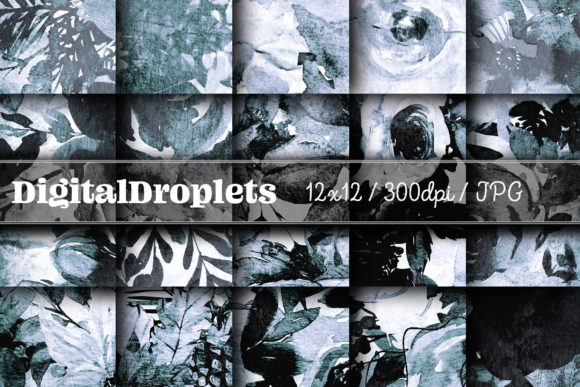
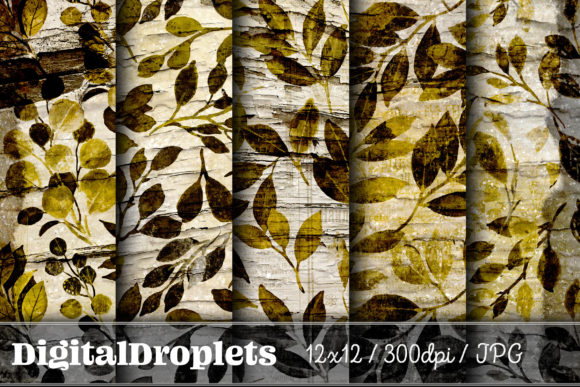
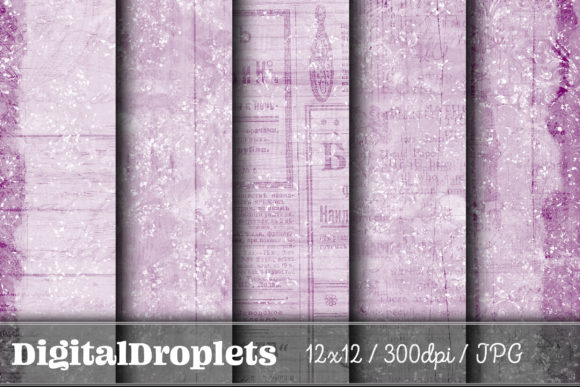
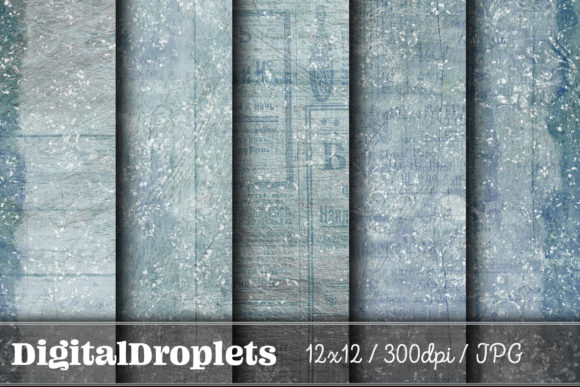
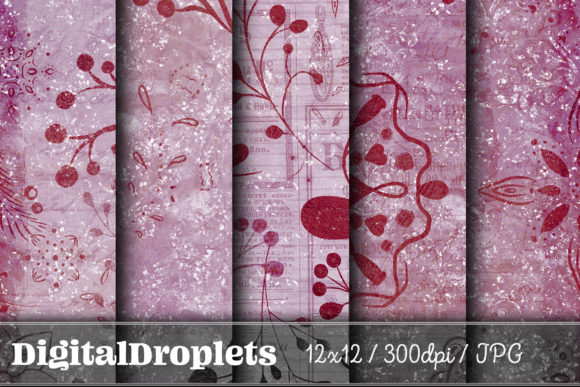
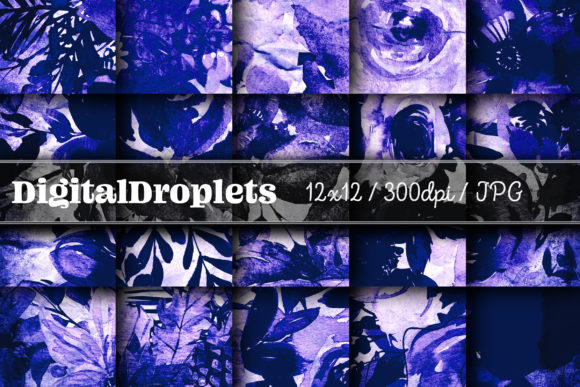
This collection provides ten high-resolution JPEG files, each featuring a unique floral pattern overlaid on a distressed, vintage paper texture. The design language sits at the intersection of romanticism and raw, industrial grunge, making it exceptionally useful for projects that require an old-world, weathered, or artisanal feel. In modern graphic design, where digital polish can sometimes feel sterile, such textured assets add crucial visual interest and human warmth. They serve as foundational elements that can immediately establish a specific mood, support a brand's story, and guide the viewer's emotional response.
Practical Applications Across Design Disciplines
The true value of a resource like the Vintage Flowers Vol. 10 | Collection lies in its broad applicability. Its inherent texture and pattern can solve specific design challenges across numerous formats.
- Brand Identity & Packaging: Use these papers as backgrounds for business cards, letterheads, or product packaging for artisanal goods, boutiques, perfumeries, or specialty teas. The vintage floral motif communicates heritage, craftsmanship, and a premium, handmade quality.
- Marketing & Social Media: Create compelling social media graphics, email newsletter headers, or digital ad backgrounds that stand out in a crowded feed. The textures provide a perfect backdrop for overlaying typography and product images, adding depth and stopping power.
- Editorial & Web Design: In editorial layouts for magazines, blogs, or lookbooks, these papers can serve as section dividers, chapter backgrounds, or featured image frames. For web design, they can be used sparingly as hero section backgrounds or UI card textures to create a distinctive, immersive user experience.
- Product Design & Merchandise: Apply the patterns to merchandise like tote bags, notebooks, or planner stickers. The designs are also ideal for creating unique washi tape, gift wrap, or tags that enhance the unboxing experience.
Integrating Textured Assets into a Professional Workflow
When incorporating pre-made textures and patterns, a strategic approach ensures they enhance rather than overwhelm your design. Consider these tips for effective integration:
- Prioritize Visual Hierarchy: Use the high-contrast floral pattern as a focal point or a subtle, low-opacity background layer. Ensure your primary text and key elements have sufficient contrast and readability against the busy texture, often achieved with solid color overlays or strategic masking.
- Maintain Brand Consistency: While the asset has a strong personality, it should align with your brand's color palette. You can easily adjust the hue and saturation in your design software to better match your existing brand colors, creating a cohesive system.
- Scale for Impact: The 12×12 inch, 300dpi specifications make these files scalable for both digital and print projects. Use them at full size for scrapbook pages or scale them down for intricate details on digital stickers or UI elements.
- Layer for Originality: Combine multiple papers from the set, blend them with other textures, or use them as clipping masks for custom shapes. This transforms the asset from a background into a dynamic component of your unique design language.
Thoughtful design is about making intentional choices that serve both form and function. Assets like the Vintage Flowers Vol. 10 | Collection are not just decorative; they are strategic tools that can solve communication challenges, evoke specific emotions, and add a layer of professionalism and artistry to your work. By selecting and applying high-quality creative assets with purpose, you elevate the visual narrative, strengthen audience connection, and ultimately create more memorable and effective design outcomes.